
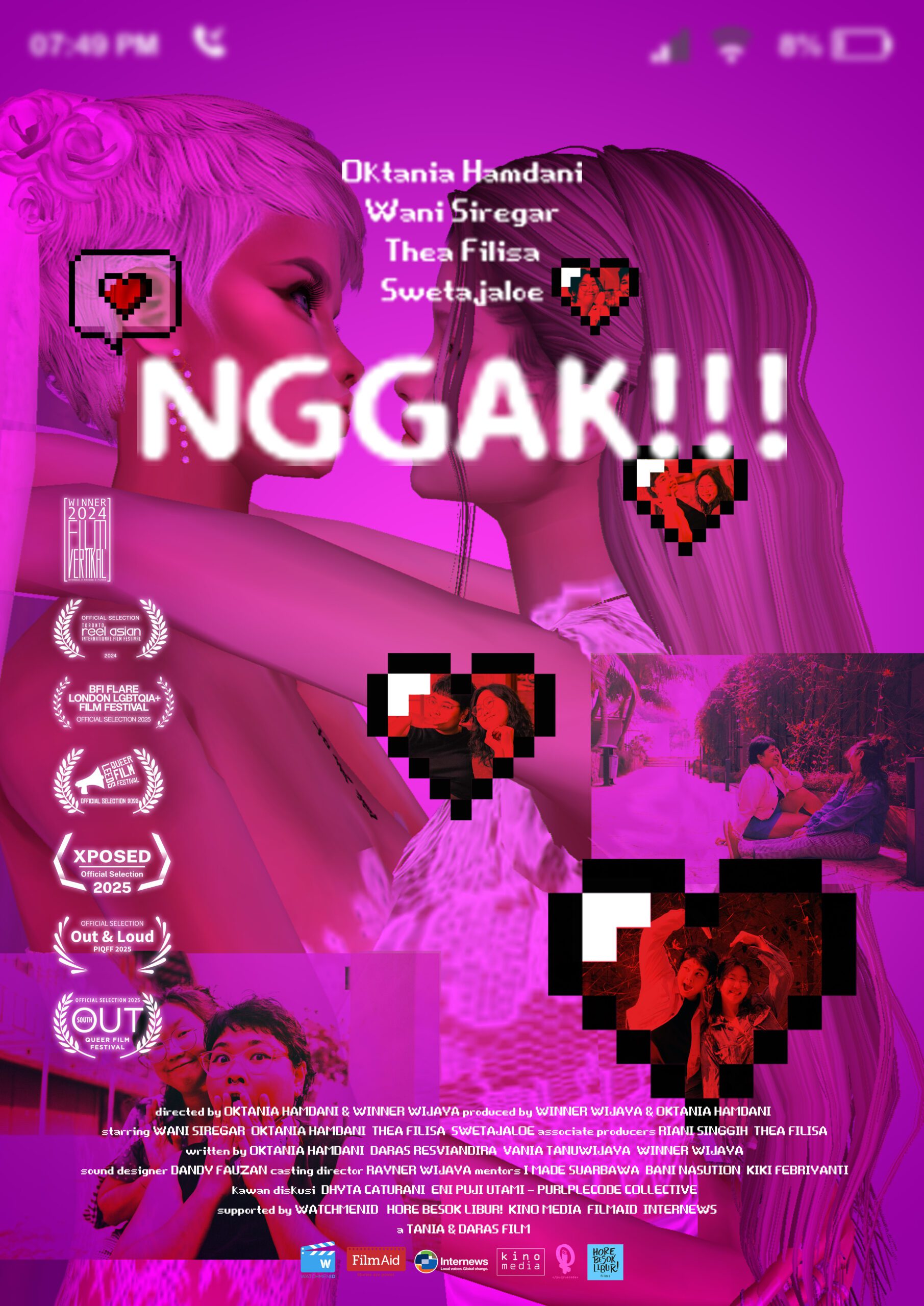
Tang tang
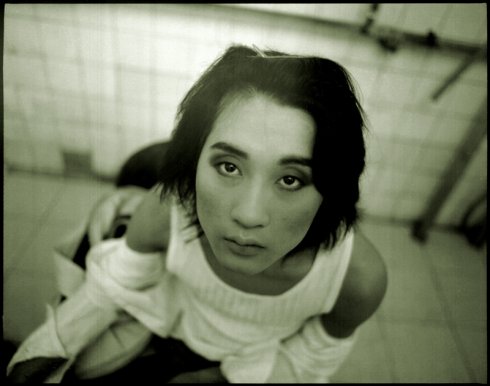
Director:Zhang hanzi
Screenwriter:Zhang hanzi
Cast:xiaoyu、Xu lin、ZZhang lei、Xue yu
Producer:
Cinematographer:
Running Time:90mins
Region:China
Year:2004
Language:Chinese
Production Company:
SYNOPSIS
This is a story about transformation.
Tang Tang is a cross-dressing performer. By day he is a man, and at night he wears heavy makeup and dresses as a woman, frequenting various bars and nightclubs, making a living from this. Having grown accustomed to this lifestyle, he has become indifferent to honor and disgrace. Every day, his mindset shifts between two genders. Later, Tang Tang falls in love with another man, Xiao Hui, and this romantic experience brings him joy and excitement. But soon after, Xiao Hui abandons Tang Tang, and Tang Tang feels a deep pain.
Xun and Lili are a lesbian couple. They happen to see Tang Tang's performance at a bar and both fall for Tang Tang in drag. During this time, they were preparing to study abroad, hoping to start a new life overseas, but Lili leaves, and Xun is unable to go.
Lonely Tang Tang and Xun become good friends, and for nearly a year, they live together like sisters, taking care of each other. However, life transforms again, and they eventually become lovers. In the role of lovers, Tang Tang is more like a woman, while Xun is more like a man. Since then, their life is filled with entanglement and quarrels, just like ordinary men and women, caught up in the trivialities of life.
Tang Tang commits suicide. Why did he die? Or did he really die? That is not important. What interests me is not this, nor the life of homosexuals, but the ongoing process of transformation in life. Life and death, man and woman, love and hate. What you think today may be something else tomorrow. What can truly be certain? Do you ever feel that the more you try to approach reality, the more you are surrounded by a greater illusion?
Director Biography
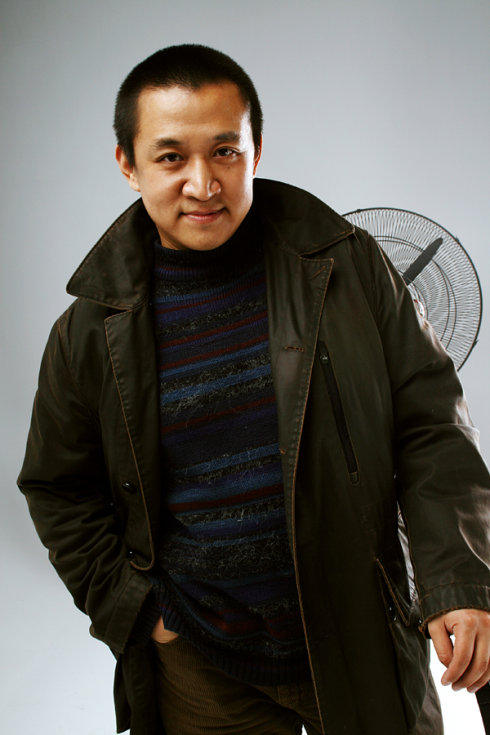
Director's Statement
<p>On December 24, 2002, Christmas Eve, Tang Tang was scheduled for four performances at different places in the capital. I picked up a camera at the last minute and followed Tang Tang to film the entire process. At that time, however, I still didn’t know what it could do. Later, while reviewing the footage, I was constantly captivated by the exciting content I had captured and intrigued by another way of life that Tang Tang presented to me—a world I had never known. Questions kept arising in my mind, about survival and dreams, about men and women, about truth and falsehood... I realized that these questions were not just about Tang Tang; they were about everyone, including myself. So I decided to make a film about it. What fascinated me the most was the shift between truth and falsehood, for example, Tang Tang’s transitions between male and female; tendencies toward bisexuality; the living situation with Xun, which was both like lovers and like sisters... Therefore, while keeping most of the documentary’s original events, I created some subjective narrative arrangements, organically blending story-film techniques into it, making it a film where fiction and reality intermingle, just like Tang Tang’s own work and life. The film itself will give the audience a sense of the drift between truth and falsehood, a format I chose to better portray Tang Tang. I believe it will be more touching than life’s own reality. Just as Tang Tang can forget his real gender amid gender transitions, everyone, in their different social spheres, plays different roles, making truth and falsehood a complete unity. For me, it is a documentary, but at the same time it is a narrative film. Although there is fiction, there is no falsehood, because the ultimate goal of the film is to bring people closer to Tang Tang, to understand him and his way of life, to understand joy and laughter, to understand emotions from happiness to sorrow, and from this, to discover their own questions.</p>
Leave a Comment