
Left Hand Turns into a Rainbow
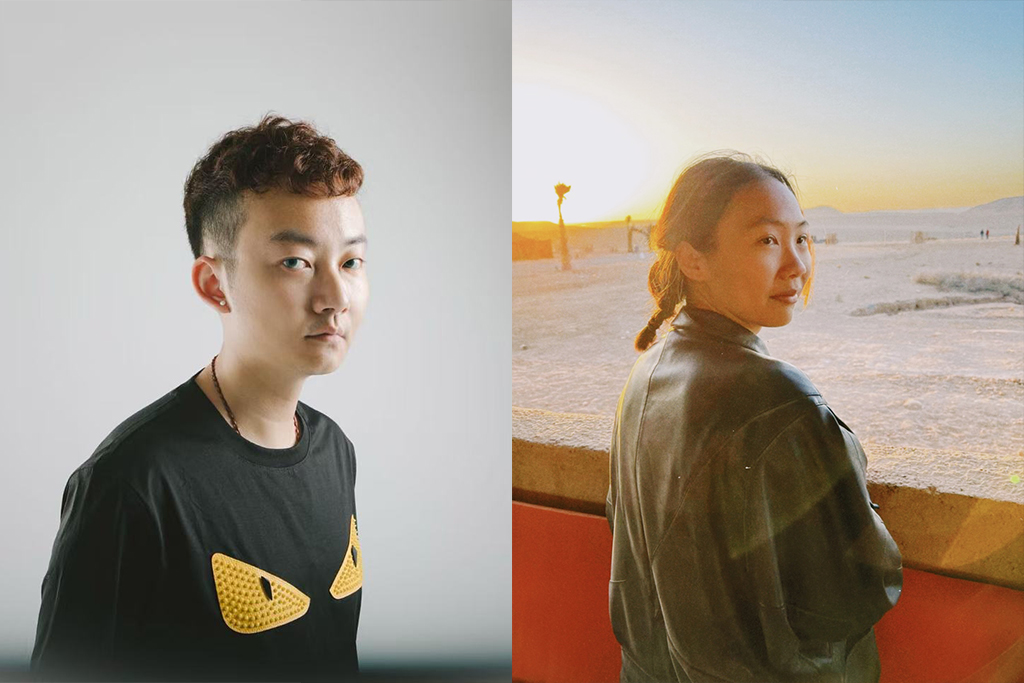
Director: Yi Hou, Zhou Guo
Screenwriter: Yi Hou
Cast:Zhou Guo, Xinan Gao
Producer:None
Cinematographer:None
Running Time:21mins
Region:China, UK, Japan
Year:2025
Language:Mandarin Chinese
Production Company:None
SYNOPSIS
Inspired by documentaries on queer figures in early Hollywood horror, this project traces the hidden presence of queer characters in early Chinese cinema. Drawing on traditional opera and martial arts novels, it uncovers images that carried queer potential into film. In the left-wing literature of the 1920s, queer narratives had already emerged, though once adapted for the screen, they became more veiled. Within these films, certain female characters reveal subtle queer traits, shaping an undercurrent often overlooked in history. This tradition/strain of imagery has endured, quietly evolving into a vital thread running through contemporary Chinese queer cinema.
Director Biography
Yi Hou, writer, screenwriter, film critic, and curator. Has served as curator of the Master Classes and chief editor of the official account at the Beijing International Film Festival, as well as a short film jury member at the Shanghai International Film Festival. His screenplays Love Is a Many-Splendored Thing and Into the Moonlight were selected for the National Youth Screenwriter Program. He has written and produced several stage plays, with his latest work, Ingrid Bergman flies to Rome, featured at the Shenzhen Theatre Conference. He is also the author of Archaeological Notes on Mawangdui. Zhou Guo, graduated from the School of Arts at Peking University and the Department of Visual Cultures at Goldsmiths, University of London, is currently pursuing a practice-based PhD in Film Studies at Queen Mary, University of London. Her research and creative practices focus on essayistic films about, by, and for women. She has worked for many years with film media and film festivals.
Director's Statement
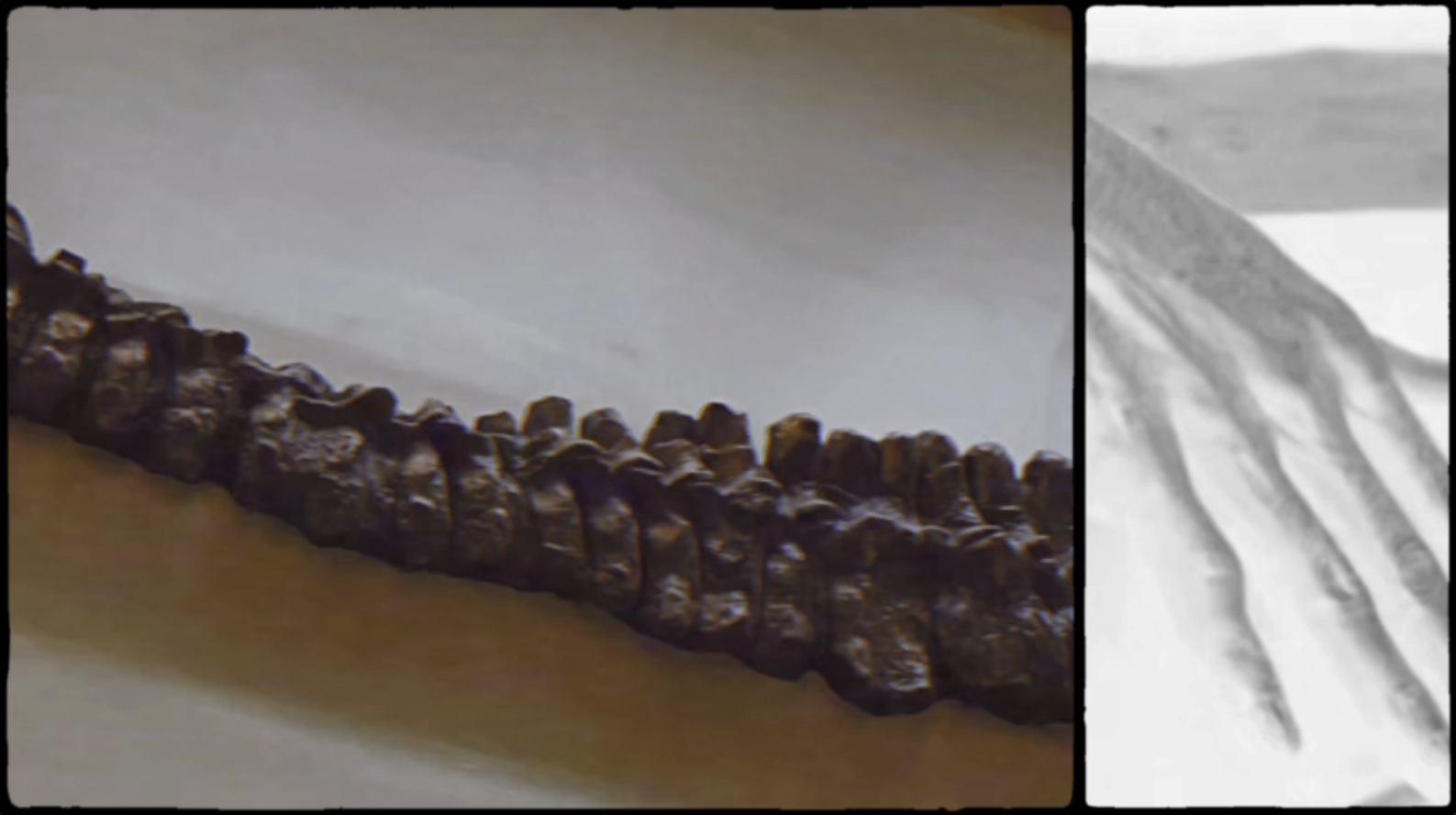
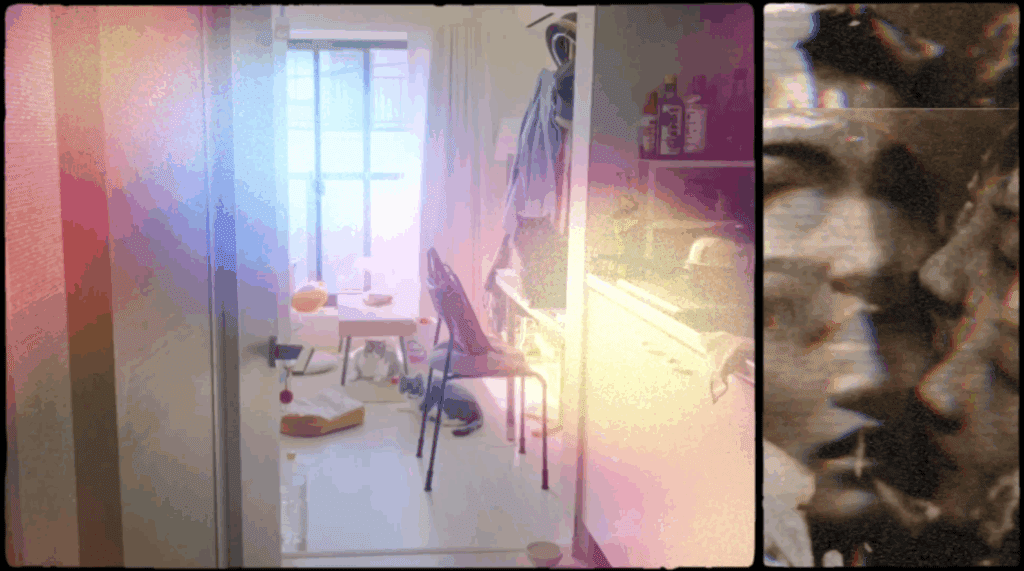
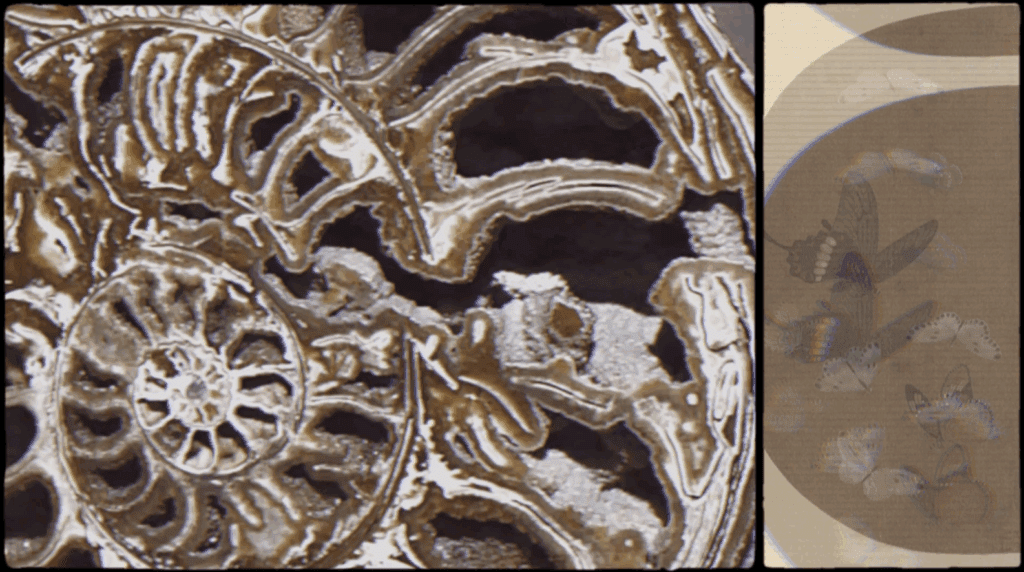
This film seeks to retrace the shifting images of lesbians in Chinese cinema through the subtle details of image and literature. The frame sequences echo each other in experimental form, while the structural use of deep blue evokes a speechless melancholy and responds to Richard Fung’s reflections on blood and the sea. Live-action passages draw on the textured style of Sadie Benning’s video diaries, where ghostly moments reveal forgotten, corroded, and oppressed cultural contexts, while also awakening tender emotions of self-exploration. The butterfly, as a metaphor, recurs through light and shadow, symbolizing presences wandering outside hegemonic archives and ultimately rendered as bones and specimens. The figure of “monster” is reinforced by negative imagery, at times supplemented by voice-over narrations, and at others re-inscribed through testimonial archives. The film constructs a discursive space—a medium for sharing histories, patterns, and ideas—while probing the cinematic language of gender identity.
Leave a Comment