
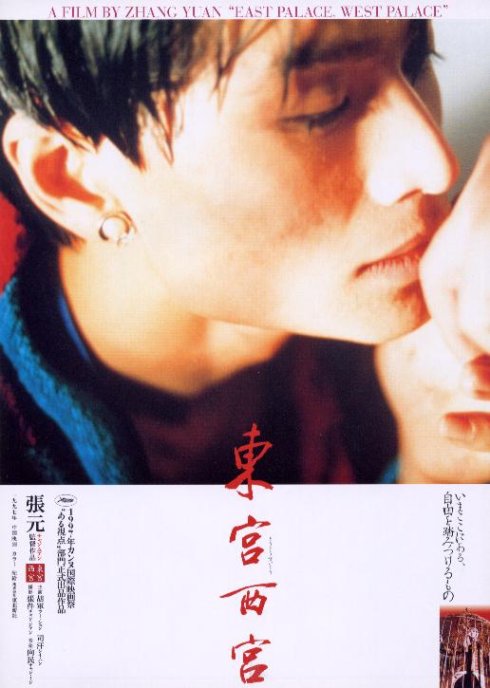
East Palace West Palace
Director:Zhang Yuan
Screenwriter:Wang Xiaobo, Zhang Yuan
Cast:SiHan, HuJun,Zhao Wei
Producer:
Cinematographer:
Running Time:90 minutes
Region:china
Year:1996
Language:Mandarin Chinese
Production Company:
SYNOPSIS
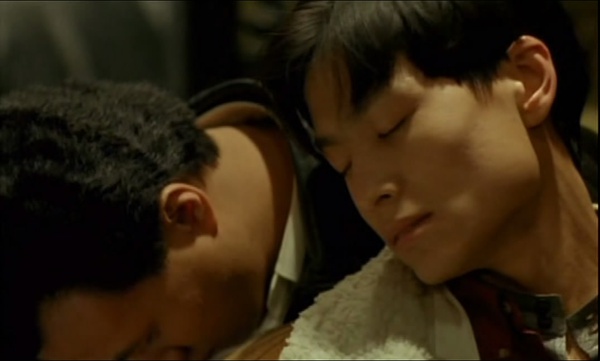
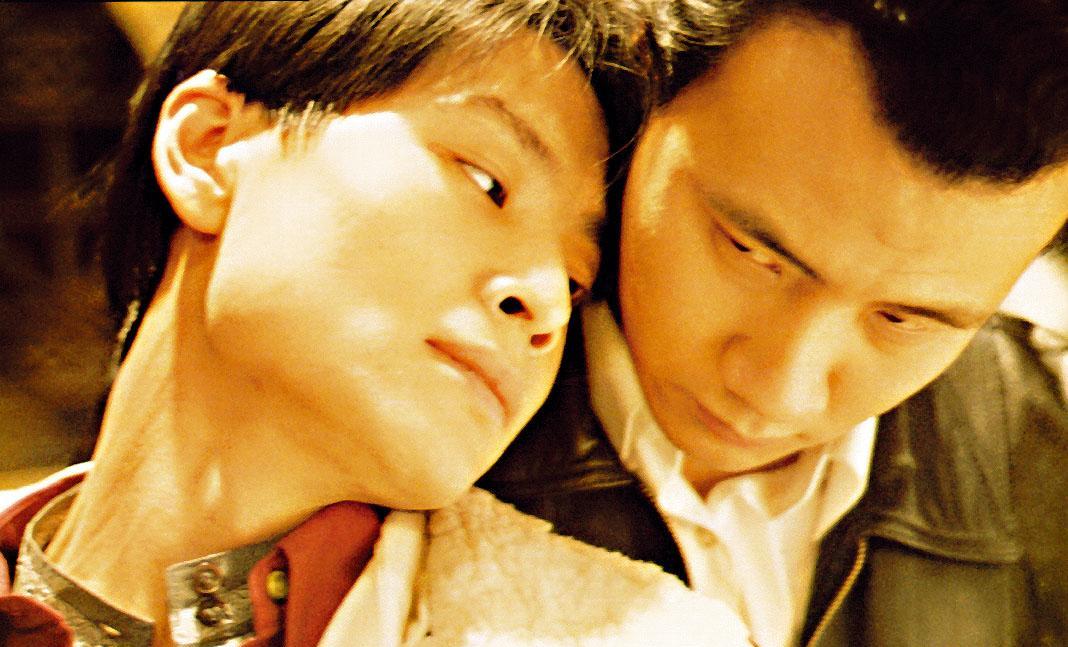
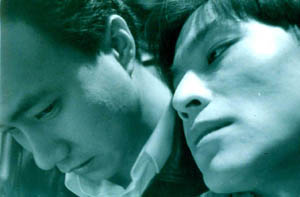
In China, homosexuality isn’t illegal, but homosexuals are routinely persecuted by police and arrested for “hooliganism”. The film focuses on a young gay writer A-Lan who, being attracted to a young policeman, manages to have himself interrogated for a whole night. His life-story which he tells during the interrogation reflects the general repression of the Chinese society. The policeman’s attitude shifts from the initial revulsion to fascination and, finally, to attraction… (from imdb)
Director Biography
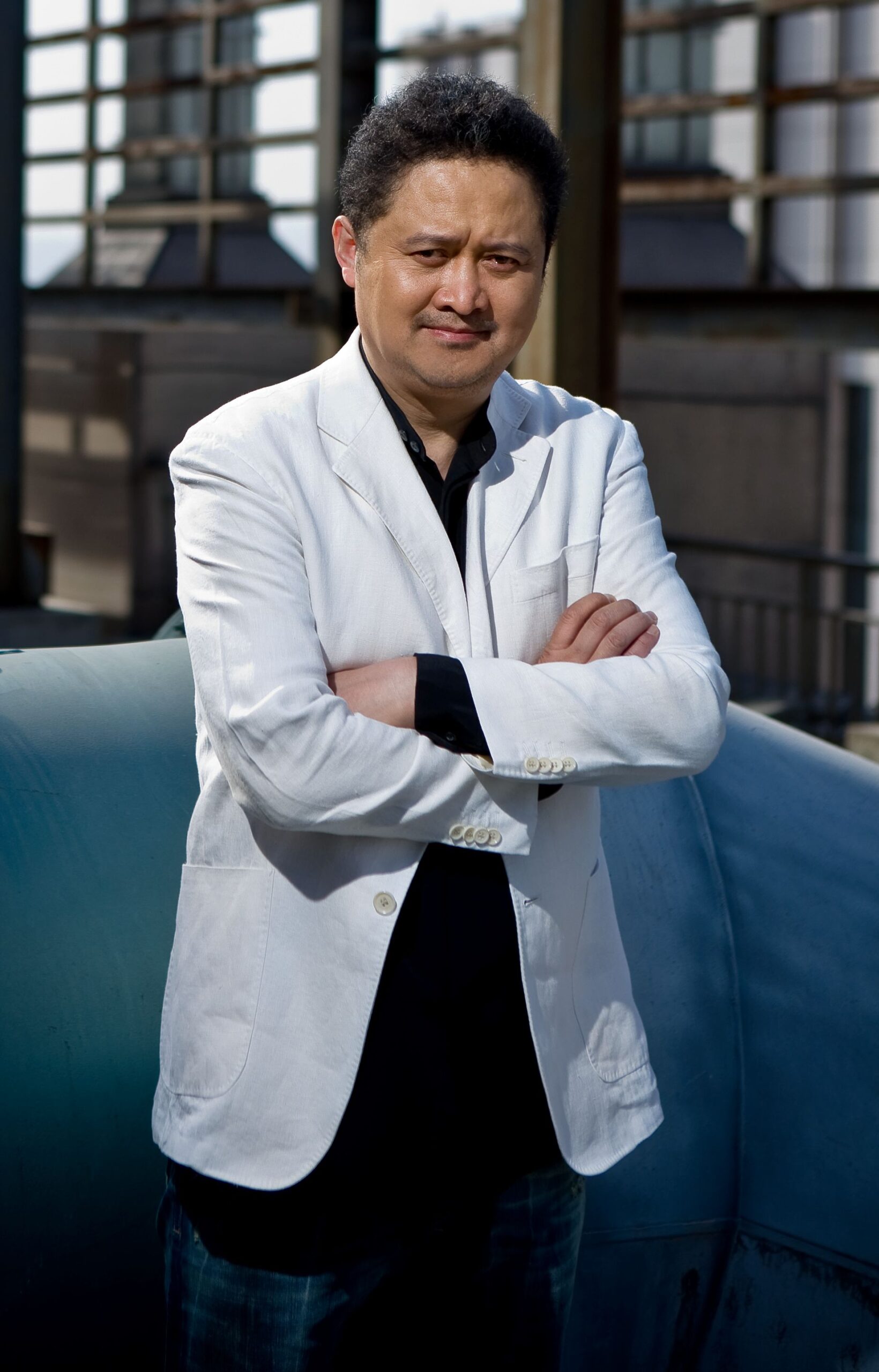
Zhang Yuan was born in October 1963 in Nanjing, Jiangsu Province. He studied drawing and painting from an early age. In 1989, he graduated from the Beijing Film Academy with a bachelor’s degree. After graduation, he raised funds independently to produce his first films, which laid the foundation for Chinese filmmaking in recent times. The American magazine Time named him one of the “Top 100 Youth Leaders of the 21st Century.” China Youth magazine included him in a list of the “Top 100 Youth Who Will Influence the Coming Century,” and New Weekly and Sina.com named him one of the “Top 10 Young Figures Shaping Today’s China.” In 1999, for his film Seventeen Years, he received the Best Director Prize at the Venice Film Festival. In 2006, he was awarded the Vatican’s Robert Bresson Prize.
Director's Statement
At this year’s Beijing Queer Film Festival, East Palace, West Palace will be screened in 35mm film format at the French Institute — a rare occasion indeed. Who would have thought that they still keeps a functioning 35mm film projector? This film, made in 1996, has now reached its thirtieth year. We found the 35mm film print in a basement; to reunite with this work and its friends through the authentic texture of celluloid light feels especially precious. I only hope the reel won’t break after all these years. Back then, there was not yet the term “queer cinema” in the Chinese-language film world. In 1991, a real-life event gave me the impulse to create this story. Ning Dai began to refine the synopsis. My first meeting with Wang Xiaobo took place in Beijing’s Zizhuyuan Park — he came with his wife, Li Yinhe. It was Li Yinhe who suggested that Wang Xiaobo write the screenplay with us. None of us imagined that it would later become a pioneering work of queer cinema in the Chinese-speaking world. In this screening, let us revisit the youthful faces of Si Han, Hu Jun, and Zhao Wei — the light, performance, and time of that era.
Relevant links
Recommended a Film
Leave a Comment